How to use the gravel calculator
- Pick the shape of the area: rectangle, circle or triangle.
- Enter the length and width (or the diameter for a circle). You can mix units, for example feet for length and inches for depth.
- Enter the depth you want. Most driveways need 4 to 6 inches; paths and decorative beds need 2 to 3 inches.
- Choose the gravel type. Each type has a different weight per cubic yard, which changes the tons you need.
- Add a price per ton if you want a cost estimate. The calculator adds 10% extra by default to cover settling and compaction.
The gravel formula
The calculator works out volume first, then converts it to weight:
Cubic yards = length (ft) × width (ft) × depth (ft) ÷ 27
Tons = cubic yards × density (tons per cubic yard)
Example: a driveway 20 ft long and 10 ft wide, 3 inches deep. 3 inches is 0.25 ft, so 20 × 10 × 0.25 = 50 cubic feet. 50 ÷ 27 = 1.85 cubic yards. At 1.4 tons per cubic yard, that is about 2.6 tons. Add 10% for settling and you should order about 2.9 tons.
How much does a ton of gravel cover?
One ton of standard gravel covers roughly 100 square feet at 2 inches deep, or about 65 square feet at 3 inches deep. Use the table as a quick guide, then confirm with the calculator for your exact area.
| Depth | Area per ton (approx.) | Area per cubic yard (approx.) |
|---|---|---|
| 2 in | ≈ 100 ft² | ≈ 160 ft² |
| 3 in | ≈ 65 ft² | ≈ 108 ft² |
| 4 in | ≈ 50 ft² | ≈ 81 ft² |
| 6 in | ≈ 32 ft² | ≈ 54 ft² |
Figures assume 1.4 tons per cubic yard. Heavier crushed stone covers a little less per ton.
Recommended gravel depth by project
A gravel driveway that lasts is built in three layers, from the ground up. Work out the tons for each layer separately with the calculator above, then add them together.
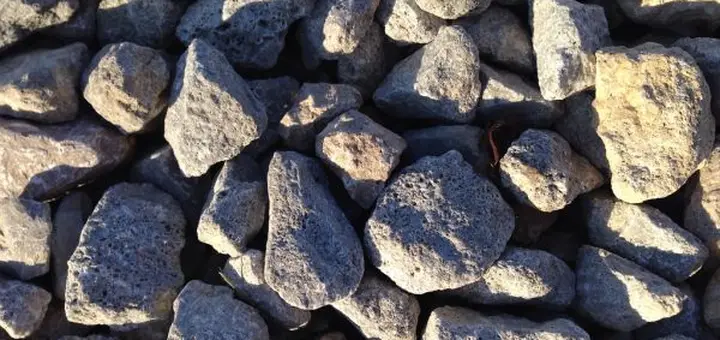
#57 crushed stone
2–4 inches
Clean, angular stone about 1 inch across. It gives the driveway its finished look and lets rain drain through.
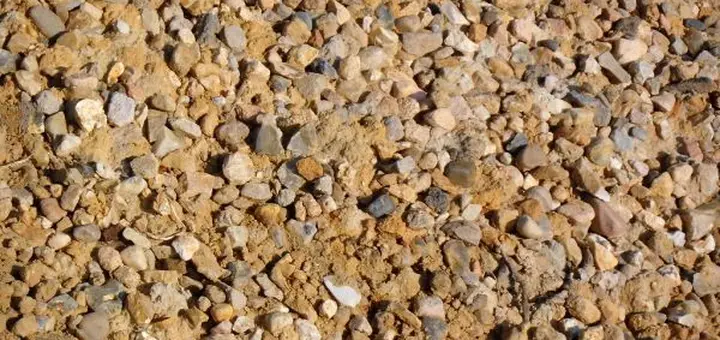
Crusher run
4–8 inches, compacted
A mix of stone and stone dust. Compacted with a plate compactor, it packs almost as hard as concrete and carries the weight of cars.
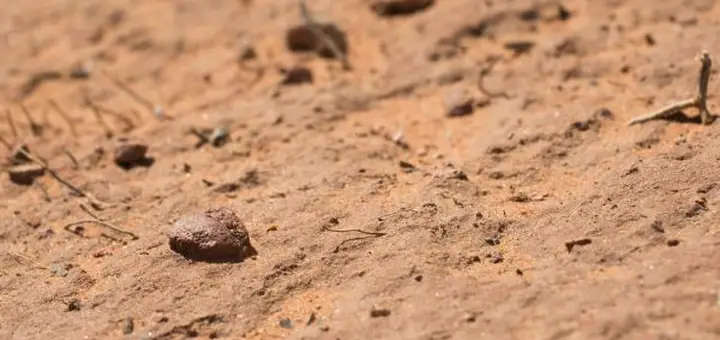
Native soil (subgrade)
Graded and compacted
The existing ground, leveled and packed down. Many builders lay landscape fabric here so the gravel doesn't sink into the soil.
| Project | Typical depth | Common gravel |
|---|---|---|
| Driveway (new) | 8–12 in in layers | Crusher run base, #57 stone on top |
| Driveway (top-up) | 2–4 in | #57 crushed stone |
| Walkway or path | 2–3 in | Pea gravel, decomposed granite |
| Patio base | 4–6 in | Crusher run, compacted |
| French drain | Fill the trench | Washed #57 stone |
| Decorative bed | 2–3 in | River rock, pea gravel |
Gravel weight by type
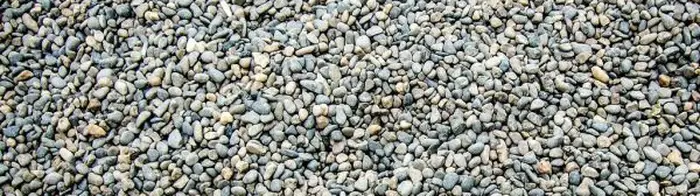
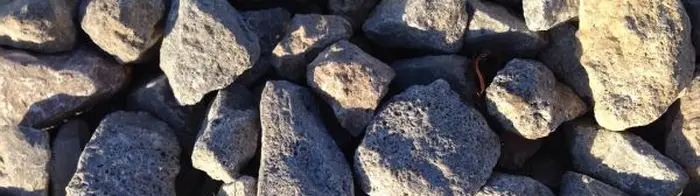
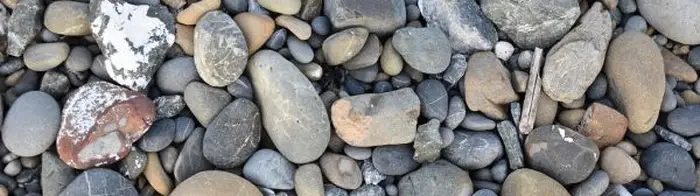
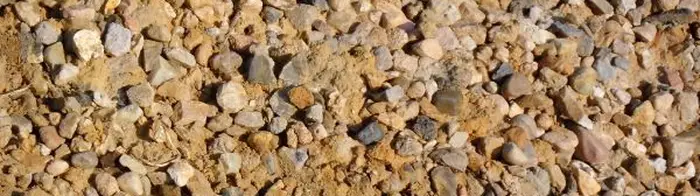
Gravel is sold by the ton, by the cubic yard, or in bags. Weight depends on the rock type, size and moisture. These are typical values used by the calculator:
- Standard gravel: about 1.4 tons (2,800 lb) per cubic yard.
- Pea gravel: about 1.35 tons per cubic yard. Small, rounded stones that are comfortable to walk on.
- Crushed stone #57: about 1.3 tons per cubic yard. Angular stones that lock together, good for driveways and drainage.
- River rock: about 1.3 tons per cubic yard. Larger, smooth stones used for decoration.
- Crusher run (road base): about 1.5 tons per cubic yard. A mix of stone and fines that compacts hard.
Gravel sizes chart
In the US, crushed stone is sold by number. The smaller the number, the bigger the stone. These are the sizes you will see most often at a landscape supplier:
| Size | Stone size (approx.) | Common use |
|---|---|---|
| #1 | 2–4 in | Construction entrances, erosion control |
| #3 | 1–2 in | Driveway base on soft ground, drainage |
| #57 | 3/4–1 in | Driveway top layer, French drains, under pavers |
| #67 | 3/4 in and smaller | Concrete mix, driveway surface |
| #8 | 3/8–1/2 in | Walkways, patios, pipe bedding |
| #10 (screenings) | 1/4 in to dust | Paver base, filling gaps |
| #411 / crusher run | #57 stone mixed with fines | Compacted base for driveways and patios |
Exact size ranges vary a little by quarry and state, so check the product sheet from your supplier.
How many tons are in a yard of gravel?
One cubic yard of gravel weighs about 1.4 tons, so tons = cubic yards × 1.4. Going the other way, one ton is about 0.71 cubic yards, so cubic yards = tons ÷ 1.4.
| Cubic yards | Tons (approx.) | Tons | Cubic yards (approx.) |
|---|---|---|---|
| 1 | 1.4 | 1 | 0.71 |
| 5 | 7 | 5 | 3.6 |
| 10 | 14 | 10 | 7.1 |
| 20 | 28 | 20 | 14.3 |
How much does gravel cost?
Gravel prices depend on the stone type, your region and how far the supplier has to deliver. Crushed stone and pea gravel are usually the cheapest; decorative stone such as river rock or colored gravel costs more. Bulk gravel is normally priced per ton or per cubic yard, plus a delivery fee.
To estimate your cost, call two or three local suppliers for their price per ton, then enter it in the calculator above. Remember to ask about:
- Delivery fees and minimum order size.
- Whether the price is for the stone delivered or picked up.
- How much one truckload holds. A standard tandem dump truck usually carries about 10–15 tons.
Using it as a stone or rock calculator
The same math works for any landscape stone or rock. Choose the closest type in the menu: crushed stone for angular rock such as #57 or #3, river rock for smooth decorative rock, and crusher run for road base. For larger landscape rock (2–4 in and up), add 10–15% extra, because big stones leave more gaps and cover less area per ton than small gravel.
Bags or bulk delivery?
Bagged gravel at home improvement stores is usually sold in 0.5 cubic foot bags, so one cubic yard equals 54 bags. Bags make sense for small jobs under about half a cubic yard. For anything larger, bulk delivery from a landscape supplier is usually much cheaper per ton, although most suppliers charge a delivery fee and have a minimum order.
Tips to avoid ordering the wrong amount
- Measure in several places if the area is irregular, and split it into rectangles and triangles.
- Order 5–10% extra. Gravel settles and compacts, and running short means a second delivery fee.
- Lay landscape fabric first on paths and beds to stop weeds and keep gravel from sinking into the soil.
- For driveways, compact each layer before adding the next one.
Other calculators


Photos: ManelTor, dankeck, Burnt Pineapple Productions, Simulina, hyunjjac32 and ArchesNPS on Flickr (public domain / CC0).
Frequently asked questions
How many tons of gravel do I need for a driveway?
Multiply length × width × depth in feet, divide by 27 to get cubic yards, then multiply by about 1.4 to get tons. A 12 × 50 ft driveway at 4 inches deep needs about 7.4 cubic yards, or roughly 10.4 tons of gravel.
How much is a cubic yard of gravel in tons?
One cubic yard of gravel weighs about 1.3 to 1.5 tons, depending on the stone type and moisture. Standard gravel is usually around 1.4 tons per cubic yard.
How many bags of gravel are in a cubic yard?
A cubic yard is 27 cubic feet. With 0.5 cubic foot bags, that is 54 bags per cubic yard.
How deep should gravel be?
Use 2 to 3 inches for paths and decorative beds, 4 to 6 inches for patio bases, and 8 to 12 inches in compacted layers for a new driveway.
Does the calculator work in meters?
Yes. Each measurement has its own unit menu, so you can enter meters, centimeters, yards, feet or inches. Results show cubic meters as well as cubic yards.
Last updated: November 8, 2026